Are VPNs legal? In the large majority of countries the answer is a straightforward yes. This includes the United States, Canada, the United Kingdom, the whole of the European Union, Australia, New Zealand, Japan and most of Latin America and Africa. Using a VPN to protect your privacy is an ordinary, lawful thing to do. If you are curious about the underlying technology first, we have a plain explainer on what a VPN actually does.
There's a short list of exceptions. There's also one important catch that applies everywhere. Both are worth understanding properly, so this guide covers where VPNs are restricted, what a VPN never makes lawful, and the difference between something being legal and something being allowed.
The short answer
People often ask how VPNs are legal at all, given that they hide your address. They also ask why they are legal in some countries but not in others. The answer to the first of these questions is simple. A VPN is a privacy tool, like a lock on a door or a curtain on a window. Owning one is not evidence of anything.
Where countries do restrict VPNs, it is usually due to the desire to control access to information. The motivation behind these restrictions is not due to the technology in question being dangerous. Thus, these restrictions typically appear alongside wider limits on what people are allowed to read and publish.
Where are VPNs illegal?
So is using a VPN illegal anywhere? In a small number of countries, yes. The list below reflects the position at the time of writing. These rules are ever changing and vary in enforcement from country to country. Check the information for the country you are actually in rather than relying on this table alone.
- General position
- Heavily restricted
- Worth knowing
- Only government approved services are permitted. Many consumer VPNs are blocked.
- General position
- Restricted
- Worth knowing
- Services that do not comply with the state blocking system are prohibited.
- General position
- Restricted
- Worth knowing
- Only licensed services are lawful.
- General position
- Banned
- Worth knowing
- General internet access is itself tightly controlled.
- General position
- Banned
- Worth knowing
- VPN use is prohibited and actively blocked.
- General position
- Banned
- Worth knowing
- Anonymising services including VPNs are prohibited.
- General position
- Restricted
- Worth knowing
- Many VPN services are blocked, though use is not straightforwardly criminal.
- General position
- Restricted
- Worth knowing
- Services are blocked and access is filtered.
- General position
- Restricted
- Worth knowing
- Restrictions have tightened alongside wider internet controls.
- General position
- Registration required
- Worth knowing
- Providers and some business users must register.
- General position
- Legal to use
- Worth knowing
- Using one to commit an offence carries serious penalties under cybercrime law.
- General position
- Restricted
- Worth knowing
- Personal use is restricted, with permits for organisations.
- General position
- Legal to use
- Worth knowing
- Providers face data retention requirements, so several moved servers out of the country.
| Country | General position | Worth knowing |
|---|---|---|
| China | Heavily restricted | Only government approved services are permitted. Many consumer VPNs are blocked. |
| Russia | Restricted | Services that do not comply with the state blocking system are prohibited. |
| Iran | Restricted | Only licensed services are lawful. |
| North Korea | Banned | General internet access is itself tightly controlled. |
| Turkmenistan | Banned | VPN use is prohibited and actively blocked. |
| Belarus | Banned | Anonymising services including VPNs are prohibited. |
| Turkey | Restricted | Many VPN services are blocked, though use is not straightforwardly criminal. |
| Egypt | Restricted | Services are blocked and access is filtered. |
| Myanmar | Restricted | Restrictions have tightened alongside wider internet controls. |
| Pakistan | Registration required | Providers and some business users must register. |
| United Arab Emirates | Legal to use | Using one to commit an offence carries serious penalties under cybercrime law. |
| Oman | Restricted | Personal use is restricted, with permits for organisations. |
| India | Legal to use | Providers face data retention requirements, so several moved servers out of the country. |
Two entries in that table are worth separating out, because they are commonly misread. VPN legality in the UAE is the first: a VPN is not illegal there in itself, and businesses use them routinely. What the law targets is using one to commit an offence, and the penalties for that are severe. India is the second: using a VPN is lawful, and the obligations introduced there fall on providers rather than on users.
What a VPN never makes legal
This is the catch that will apply in every country in the world, including those where the use of VPNs is completely lawful. A VPN will change the way your data travels. However, it will not change the nature of the activity.
If something is a crime without the use of a VPN, then it will remain a crime even with the use of a VPN. Piracy, fraud, harassment, buying or selling illegal goods, accessing material that is illegal to possess: the fact that your connection was private makes no difference to any of it.
A VPN will protect your privacy. However, it will not give you immunity.
Are VPNs safe? That is a different question from whether they are legal. It is worth being realistic about what privacy means. A VPN will hide your traffic from the network that you are connected to. It will hide your home address from the sites you visit. It will not hide you from an account you have signed in to, and it will not erase anything you have already published. We set out what is and is not kept on our no logs policy page.
Legal is not the same as allowed
There is a lot of lawful VPN use that is still against somebody's rules. Breaking a rule of this kind is usually a contract or policy matter rather than a criminal one. The consequences can still be real.
Streaming services
Most streaming services will limit what you can watch based on the country that you are in. This is due to licensing deals with the content providers. Their terms of service generally state that they will not allow you to disguise your location, and the usual outcome is a blocked stream rather than anything more serious.
Work and school networks
Many employers and colleges have their own policy on VPN software. Sometimes the reasons are legitimate security concerns. Using a VPN to bypass network restrictions at work or at college is usually the exact behaviour those policies are written to prevent.
Online services and banking
Some banks and payment services have systems that can lock you out of your account if you log in from an unexpected country. This is fraud control software doing its job, not a legal issue. Connecting to a location closer to where you normally bank is usually enough to avoid it.
Travelling with a VPN
The rules that matter are the rules of the country you are physically standing in. They are not the rules of the country you signed up from, nor the rules of the country your provider is registered in. A service that is completely legal at home can be restricted at your destination.

- 1Check the current position for your destination before you travel, not after you arrive.
- 2If you rely on a VPN for work, tell your IT team where you are going so they can plan around any restrictions.
- 3Install and sign in before you leave. In places where services are blocked, the provider's website may be unreachable once you are there.
- 4If a country restricts VPNs, respect that. Nothing in a privacy tool is worth a legal problem abroad.
Why most people actually use one
It is easy to lose sight of this in a discussion about bans. So what are the benefits of using a VPN for somebody with no interest in the legal edge cases? The everyday reasons are ordinary and lawful.
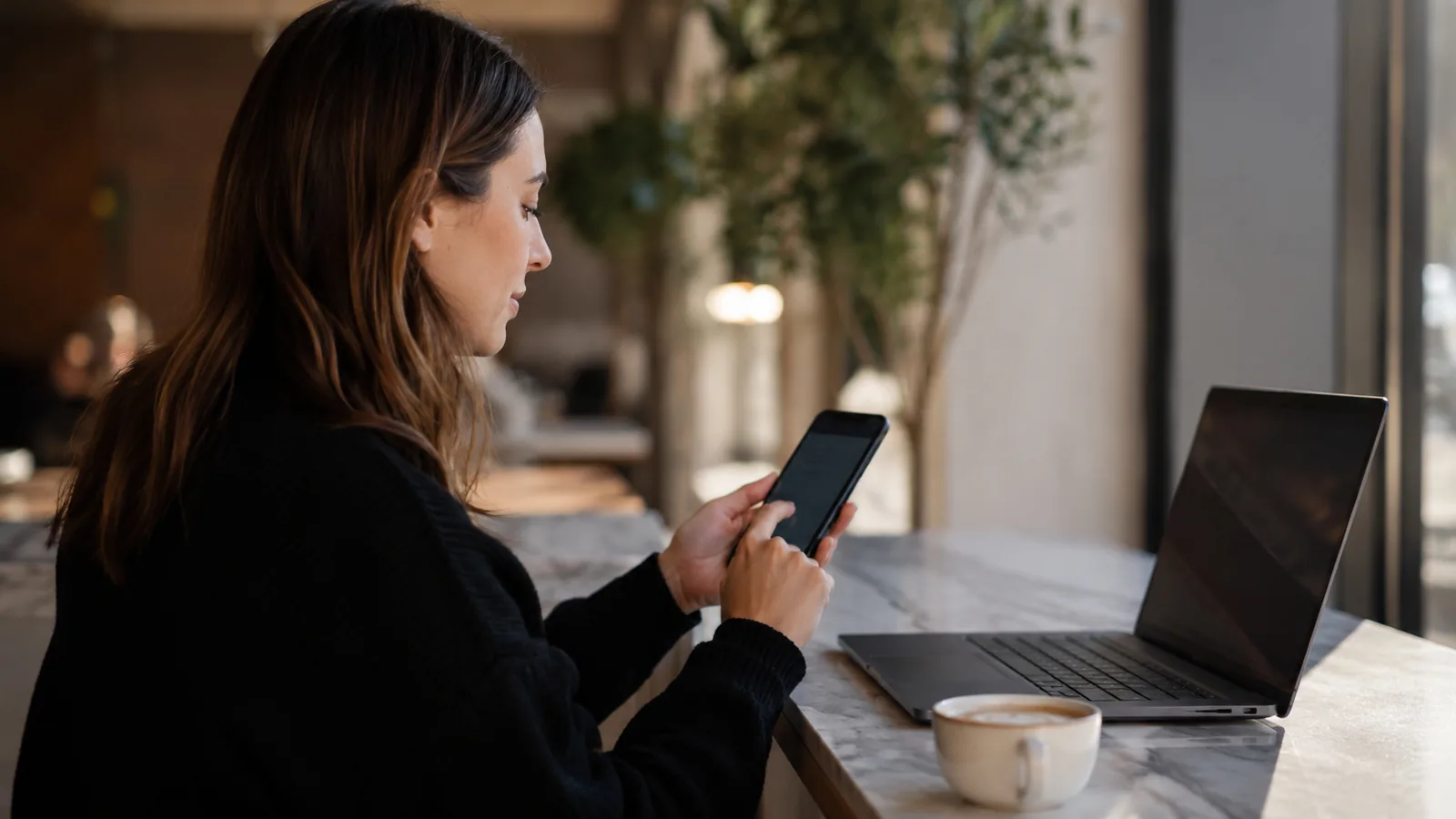
- Public wifi in cafes, hotels and airports, where you have no idea who runs the network.
- Working remotely and keeping company traffic off an unknown connection.
- Stopping an internet provider from building a profile of every site visited from the house.
- Reducing the amount of location data handed to every advertiser by default.
- Keeping a stable connection when travelling, using a location near home.
The benefits of a VPN are the same in every country where it is lawful, and only the locations you need change. If those are your reasons, the legal issues are generally straightforward. All you have to work out is which locations you need. You can see where Senton has server locations and what each plan costs on the pricing page.

The honest summary
Using a VPN is legal almost everywhere in the world. Using one to protect your privacy is a perfectly normal thing to do. A short list of countries either restricts or licenses VPN use, and that list changes from time to time, so check before you travel. Wherever you are, a VPN never turns an unlawful act into a lawful one, and legal is not the same as permitted by whoever runs the service you are using.